


FORAGING FOR BEGINNERS
This handy guide helps you begin your foraging journey. Scroll down to explore.
Start your foraging journey.This guide lets you know all the rules, regulations, tips and best practices for heading out on a forage.
Note: Please do your own research and do not rely on one source for identification. Do not consume any wild food if you are not 100% certain of ID.
Laws and Regulations
-
![]()
The 4 Fs
FRUIT. FLOWERS. FOLIAGE. FUNGI.
Remember to only pick the 4 ‘Fs‘. No roots or you could be facing hefty fines -
![]()
Be Safe
DO NOT EAT ANYTHING YOU ARE NOT 100% SURE OF
The most important rule is that you keep yourself safe. That is by being 100% sure of what you eat. Always have a minimum of 4 unique characteristics and use at least two different sources to ID the specimen (whatever you do, do not use identification apps)
-
![]()
Up to 10%
ONLY FORAGE UP TO 10% OF WHAT YOU FIND
The law is slightly more than this but for personal consumption, I find 10% to me more than enough, while still leaving plants and fungi for the animals and other foragers
-
![]()
Location
PRIVATE, PUBLIC AND PROTECTED LAND
It is against the law to forage on private land without express permission from the landowner. If you are on public land, you are allowed to forage as long as you follow the rules. On protected land such as Nature Reserves or SSSIs, there are harsher rules. Look up each area before you visit. -
![]()
Protected Species
DO NOT DISTURB PROTECTED SPECIES
There are hefty fines and potential jail time if you are found disturbing any protected species in the UK. You can have a look at the list here
-
![]()
Follow the Countryside Code
You can find a full explanation here



PLANT AND MUSHROOM IDENTIFICATION
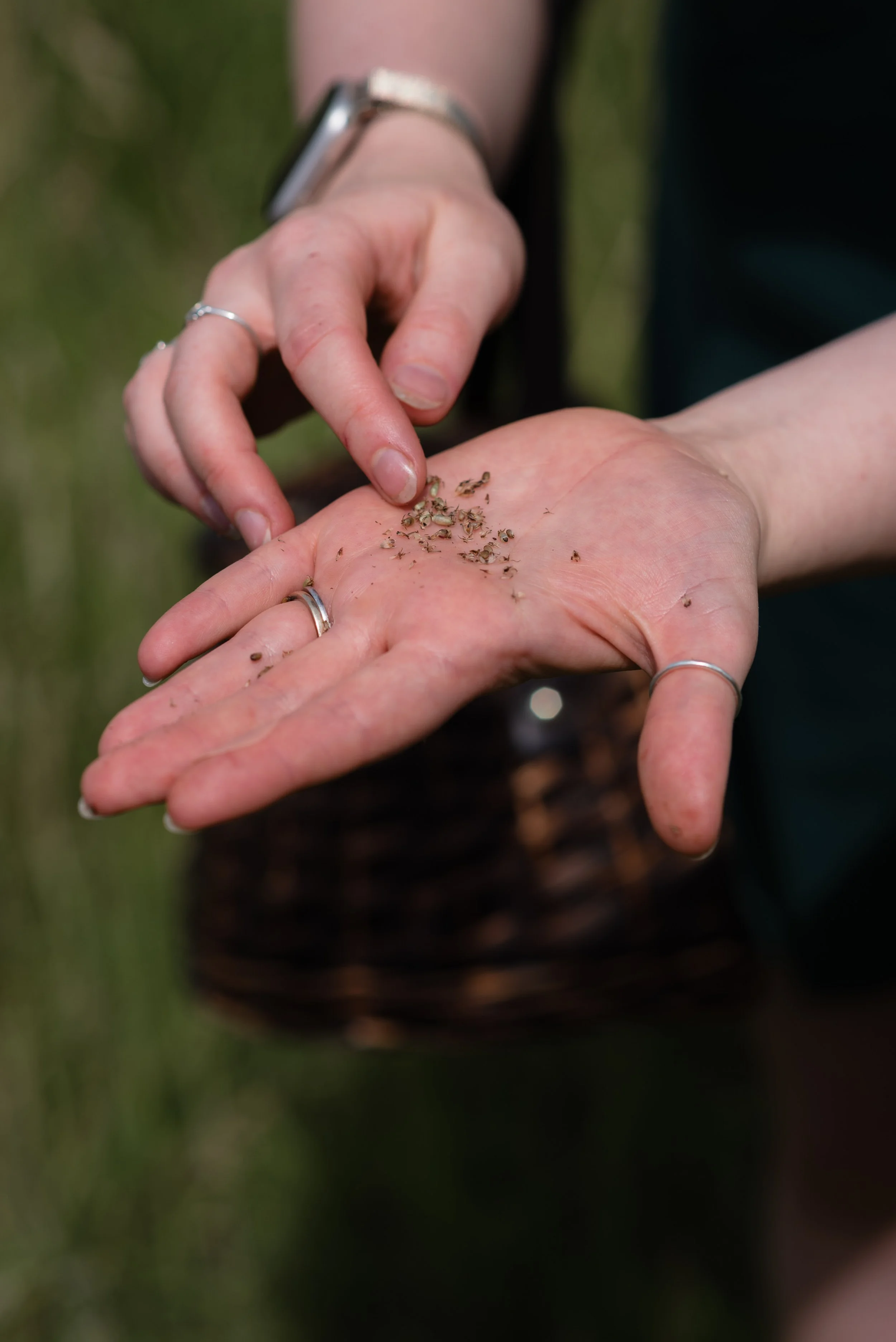
Seasons matter when foraging, with some mushrooms and plants only growing at certain times of year. This can cut out a significant chunk of species that do not grow and narrow down your searching.
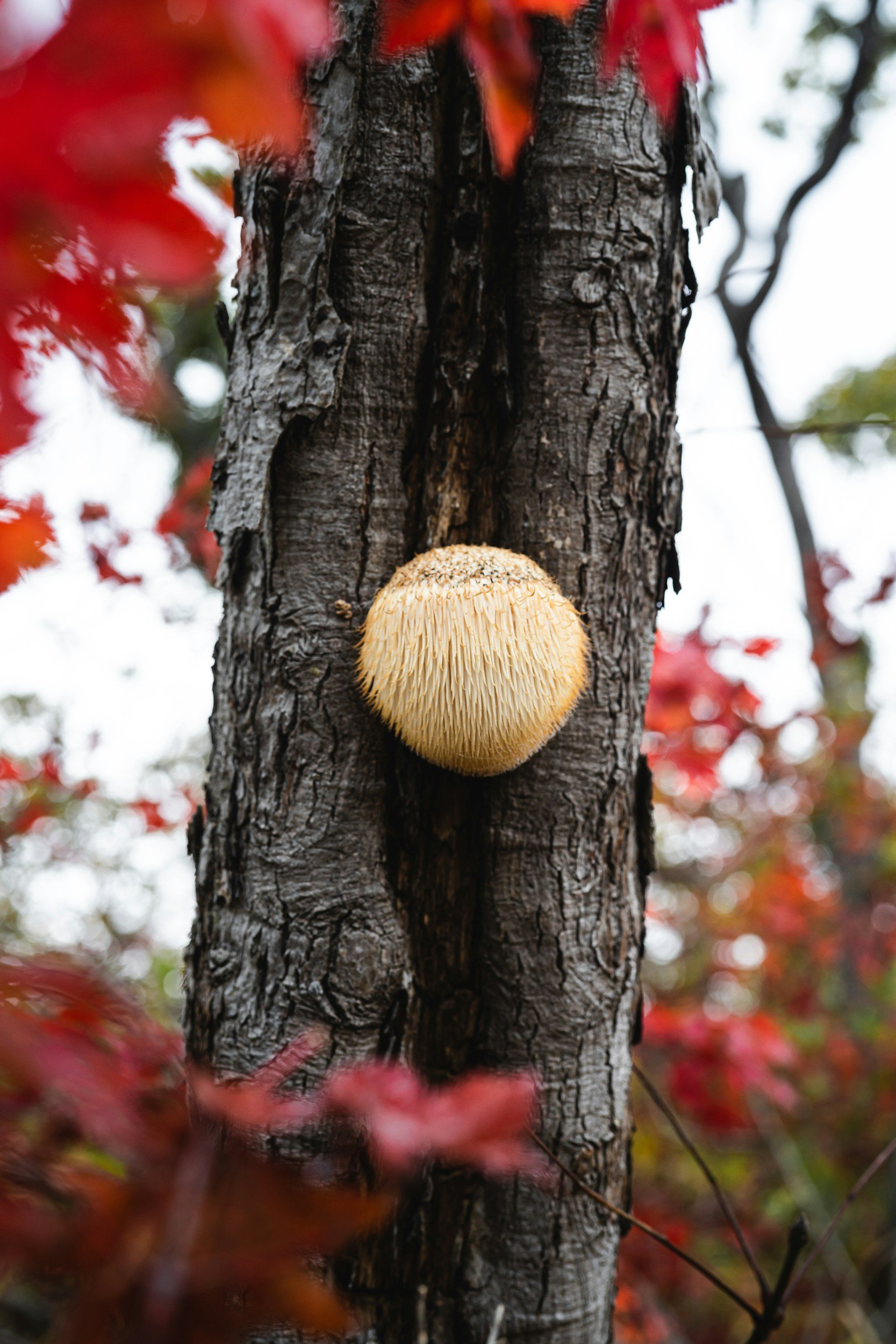
Appearance. Both mushrooms and plants have unique appearances when you start to look closely. Things like shape, colour, patterns and textures all matter when identifying.
Smell. The nose is the forager’s most important tool. Some smells set poisonous species apart from edible ones. And don’t rely on ‘bad’ smells for something to be toxic. Some of the most poisonous mushrooms in the world smell delicious!
Location. Where is the specimen growing? On a tree, in a ring, by a body of water, etc. All this matters when looking for identifying features
Plant vs fungi anatomy
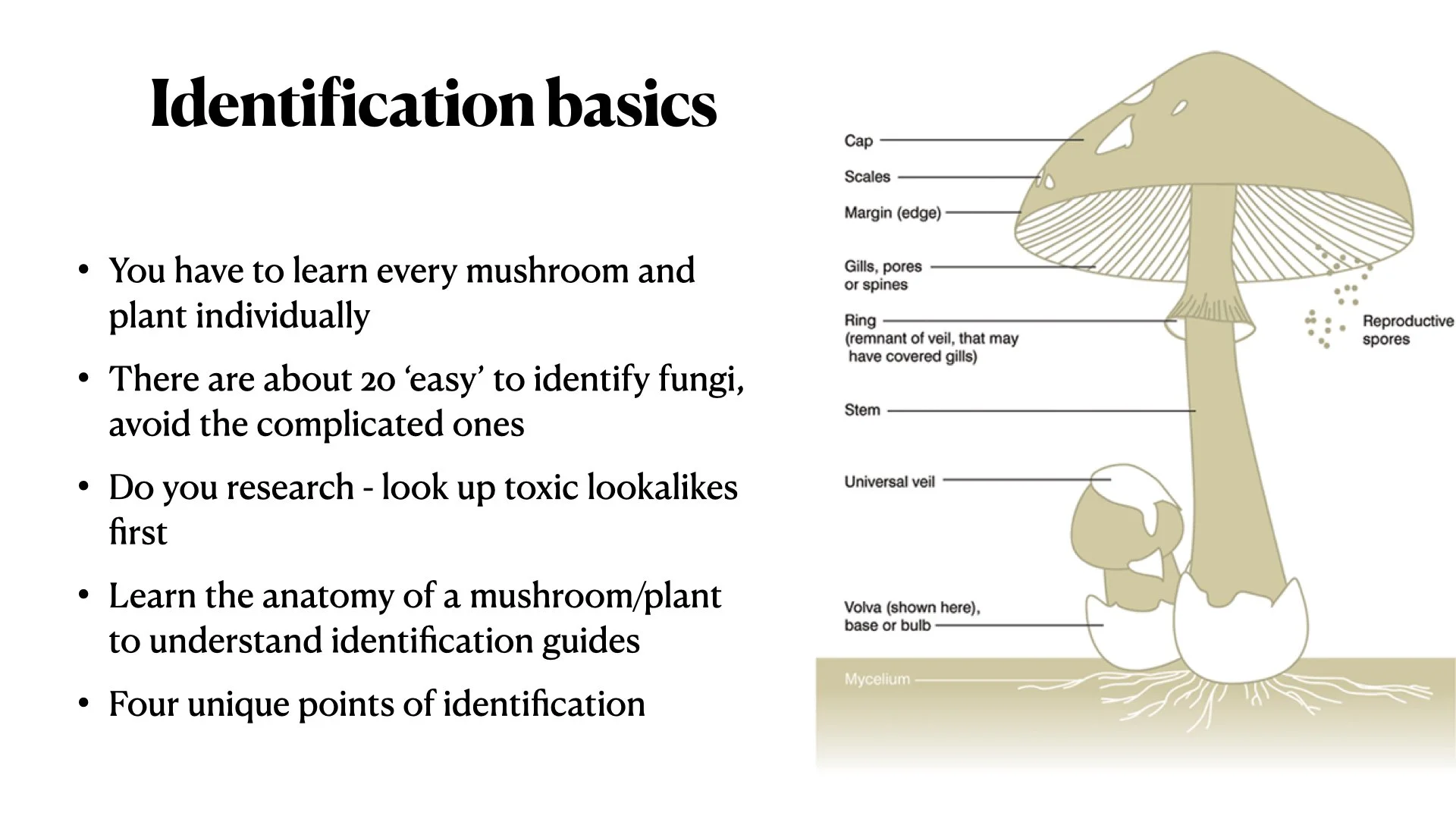
The plant kingdoms and fungi kingdoms are entirely different. Not only do they have completely separate anatomy, but they also reproduce and grow in different ways. To forage for both fungi and plants, you do not need to know the ins and outs of the specimens. All you need to know is how to spot the important distinguishing factors. And these look different for every individual specimen.
To identify both plants and mushrooms, the methods share similarities.
Four main factors cover both species: time of year, appearance, smell and location.

What you are looking for when identifying a mushroom:
STICKY BROWN CAP
SKIRT
-
Look at the cap shape, colour and texture. Are there striations, patterns or flecks present? Is it sticky, velvety or smooth? Does it have an umbo - what does it look like?
-
Notice how the margin is either straight, frilly, upturned or rolled. Does the mushroom even have a margin, or is it an unusual shape like a ball, or tentacles?
-
The gills/pores are important in successful identification. What colour are they? What’s the layout - are they packed in close, spread apart, wavy, straight, deep, shallow? Are they large pores or small pores? Do they even have gills or pores? How are they attached to the stipe? Do they curl upwards or flow down the stipe, do they wave, or are they at an angle?
-
What is the cross-section like? Cut the mushroom in half and take note of any changes or colouring. Some mushrooms oxidise or bruise when cut, and this is an important feature. Sometimes the flesh and gills are different colours.
-
What is the stipe like? Is it thin and twisted, or fat and chunky, does it have a pattern on it or a skirt?
-
Smell the mushroom. Some mushrooms have distinctive scents such as apricots, frozen orange juice, raw potatoes or sulphur. These are sometimes vital for identification.
-
Companion trees are important when both identifying and searching for fungi. Some mushrooms will only grow alongside particular trees, get good at identifying the trees around you and you’ll find more mushrooms!
EXAMPLES OF UNIQUE CHARACTERISTICS:
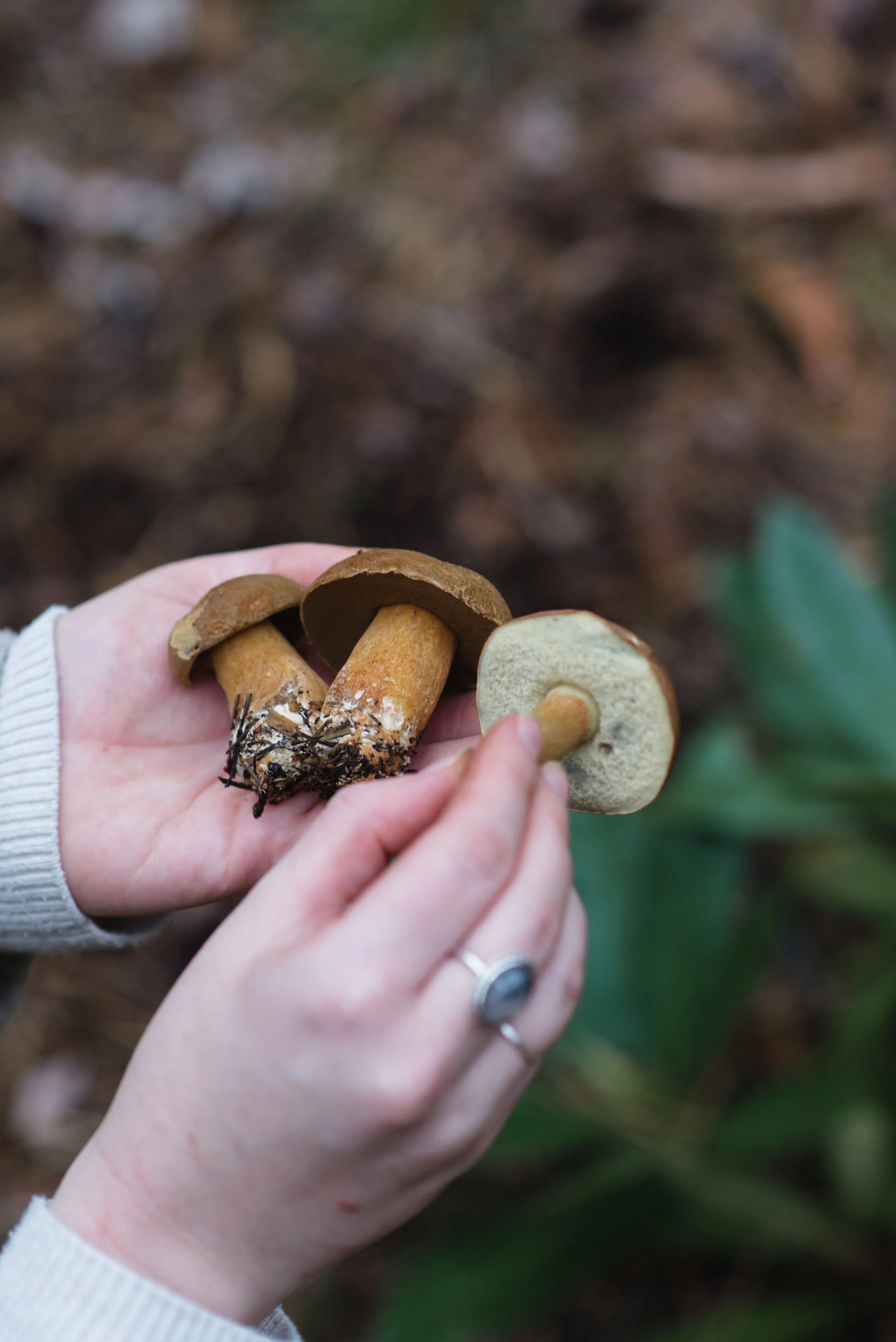
BLUE - STAINING PORES
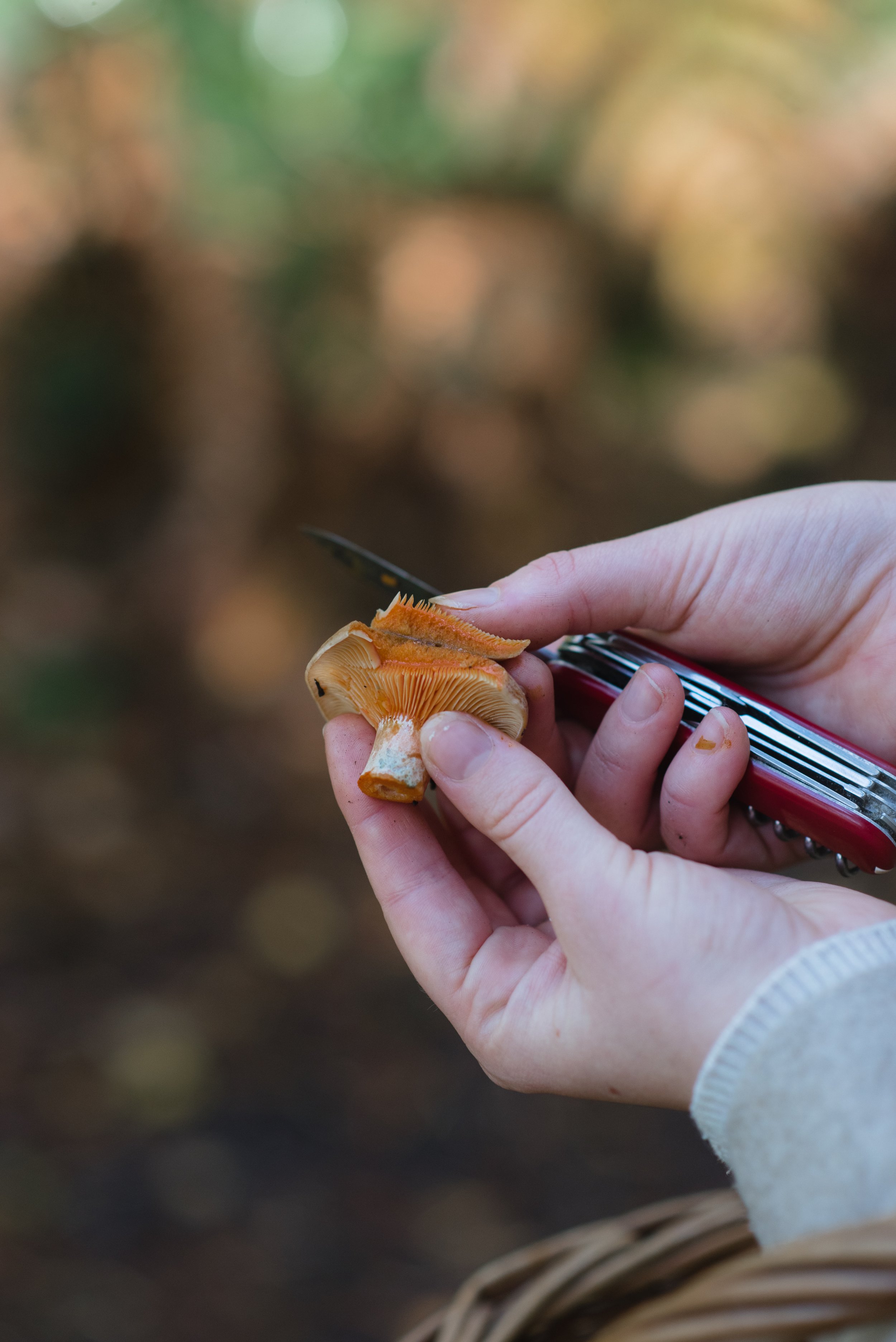
BRIGHT ORANGE CROSS-SECTION
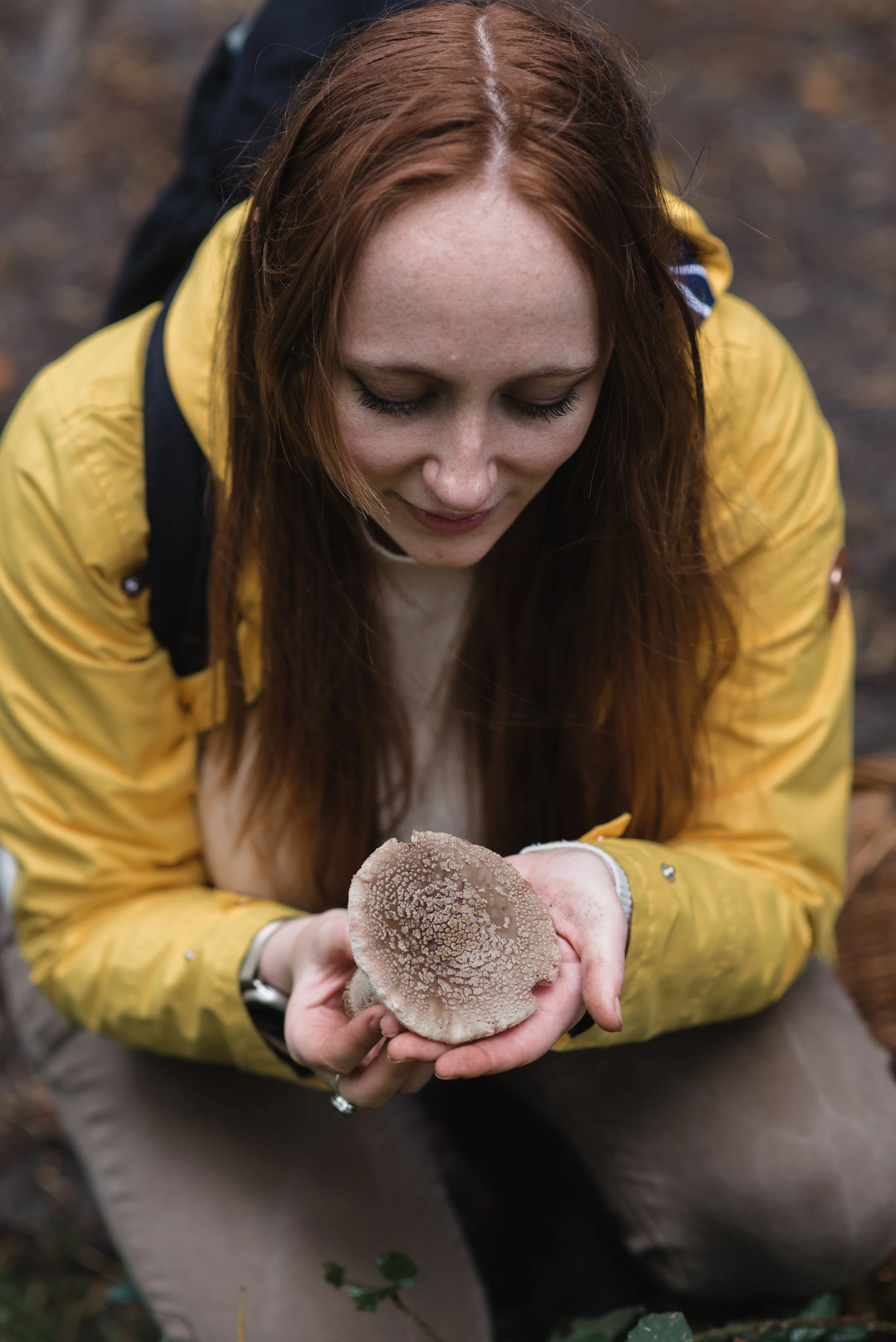
WHITE AND PINK FLECKS ON THE CAP
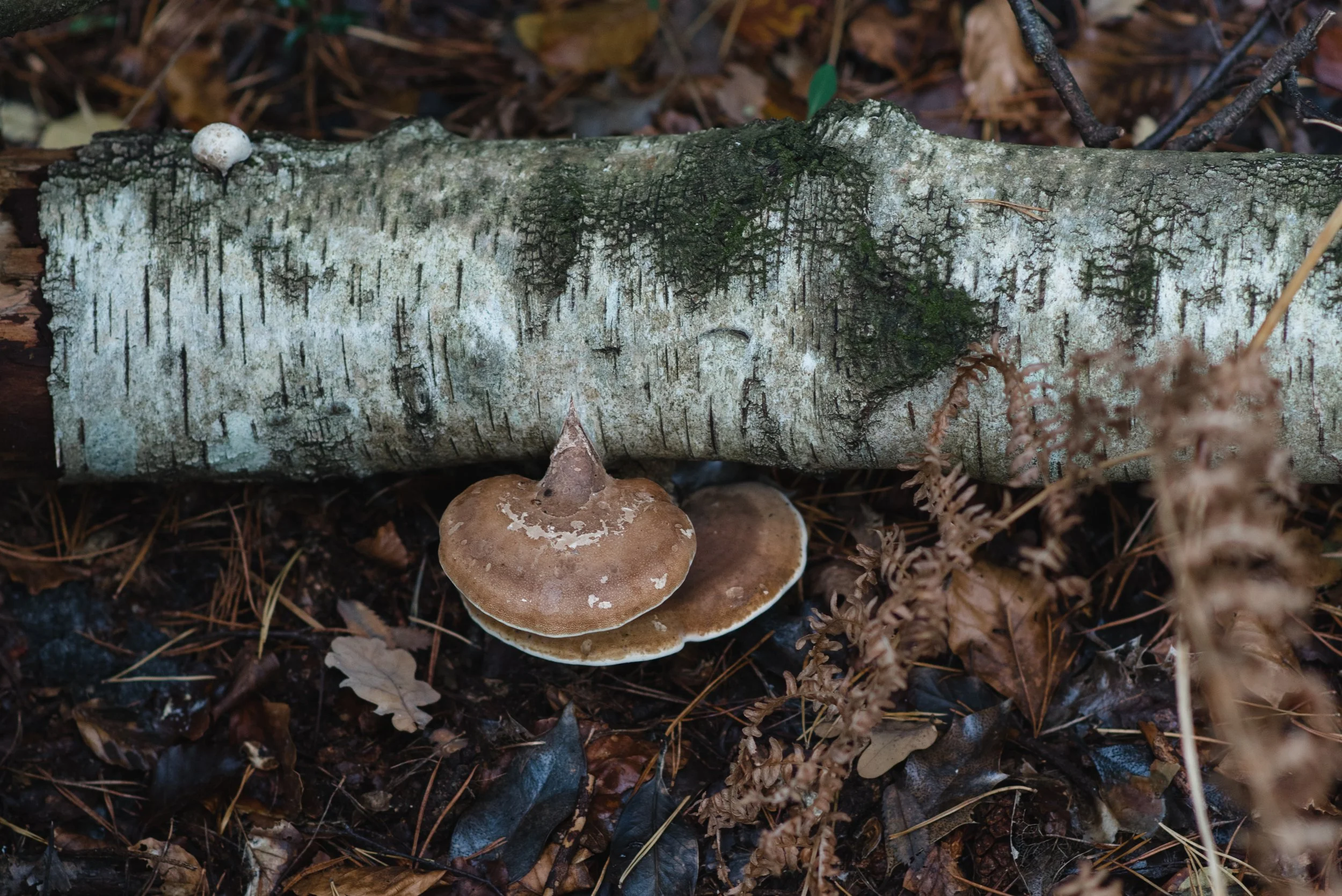
ONLY GROWING ON BIRCH TREES

What you are looking for when identifying a plant:
-
Note leaf shape and texture. Are the edges smooth, wavy, serrated, scolloped, toothed, sharp, or soft? Are they furry, hairy, waxy, silky, etc? What shape does the leaf make? Is it like an arrowhead or a heart? Try to find a pattern in the shape and associate it with the plant.
-
Check if the plant has a flower or a seed pod. These are fantastic for identification as the colour, shape, texture, smell, and overall appearance of flowers vary more drastically than leaves.
-
The stem or bark is another excellent point to look at. Does it have thorns, or is it smooth, or hairy, or gnarled? Is it a thick stem or thin, delicate and breakable?
-
How is the plant growing? Is it creeping up the side of a tree, or in a rosette on the ground, is it tall and imposing, waist high, or tiny? Make note of these features and compare to similar shaped plants
-
Give the plant a sniff, what does it remind you of? Are the leaves particularly herby or pungent? Is the flower soft and delicate in fragrance or punchy and fruity? All smells will be more potent if the plant is crushed first. NOTE do not smell poisonous plants and this poses some risk to health
EXAMPLES OF UNIQUE CHARACTERISTICS:

GROWS IN FLOWING FRESHWATER
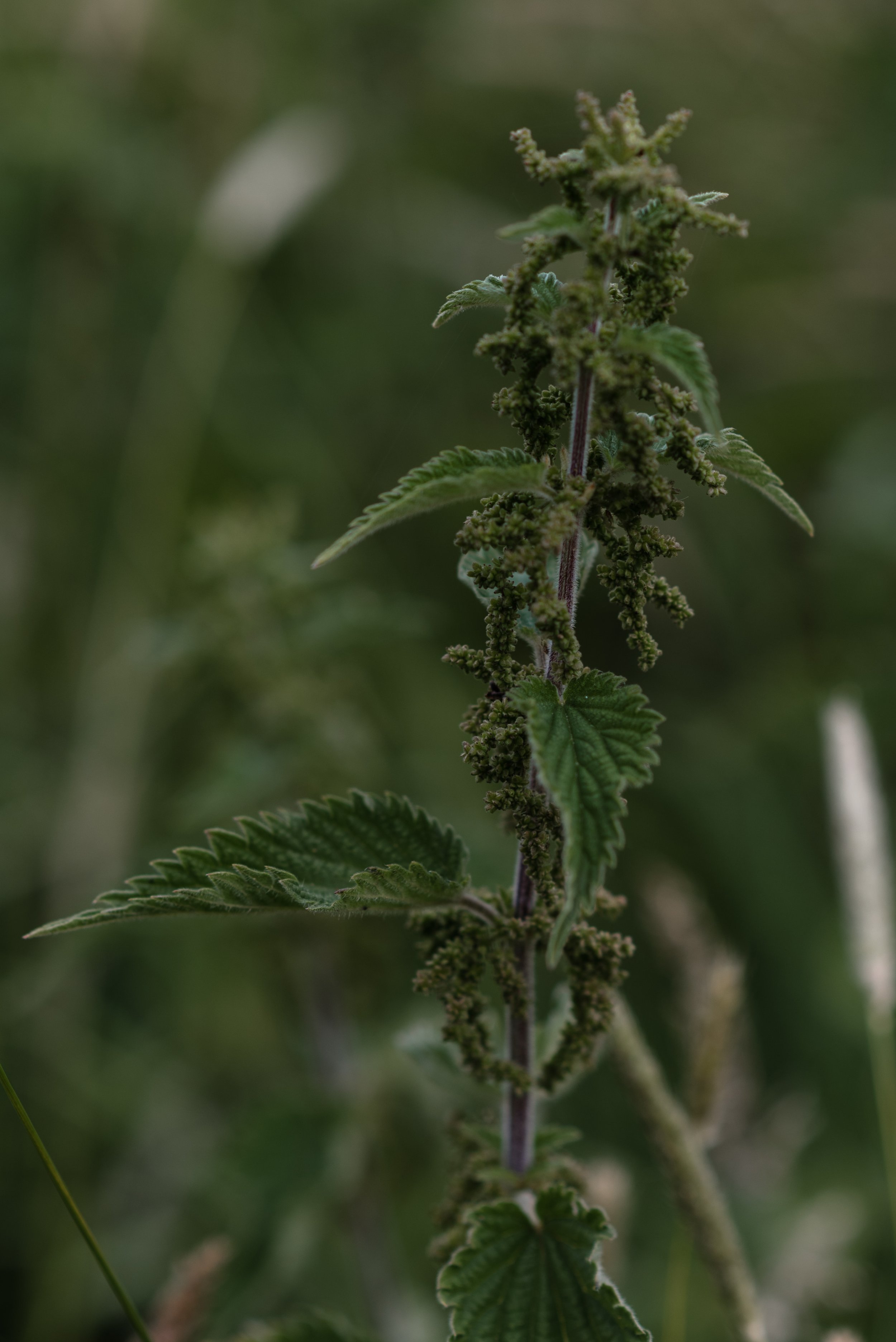
SERRATED LEAVES & STINGING HAIRS
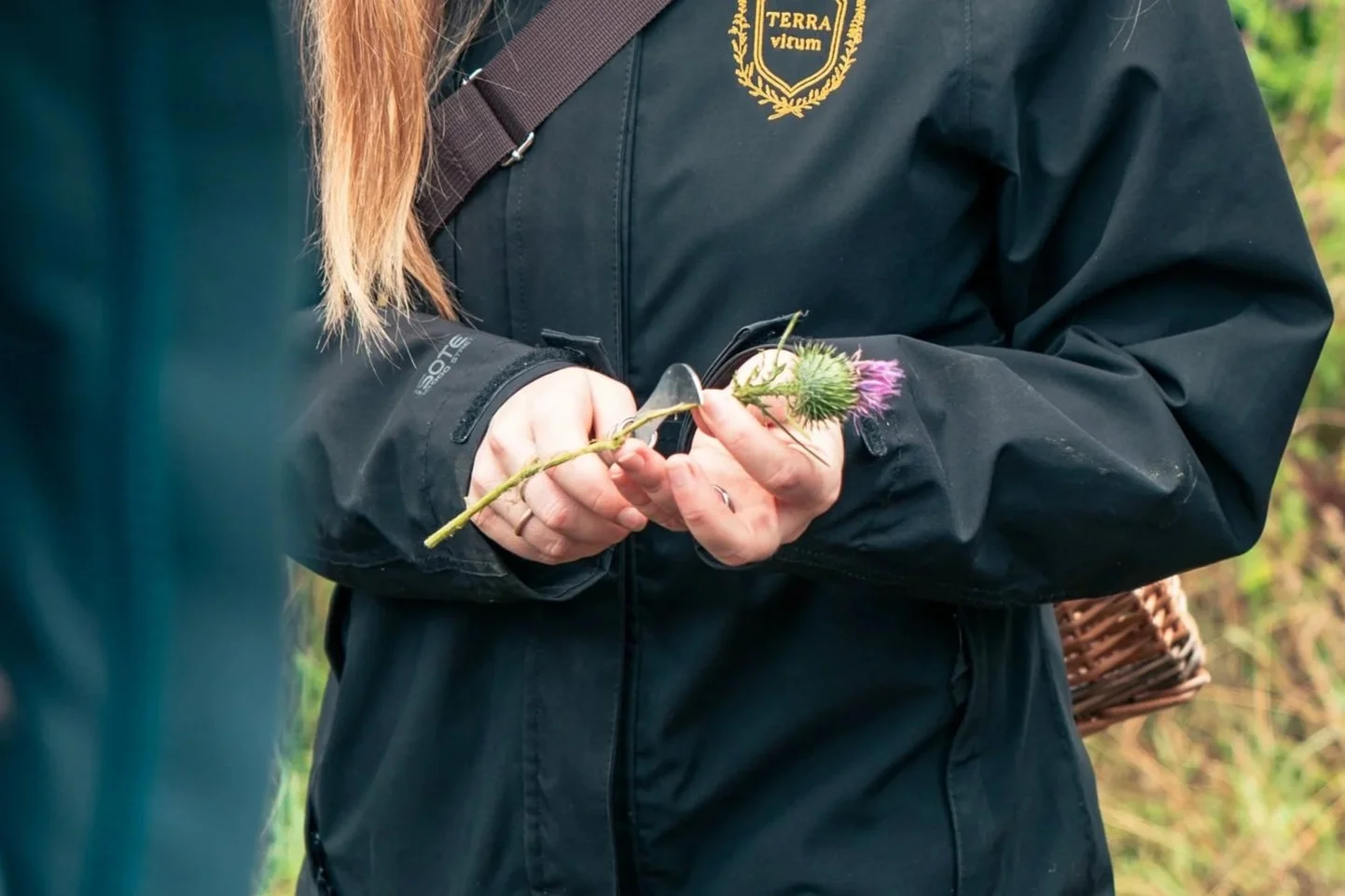
PURPLE, THORNY FLOWERS
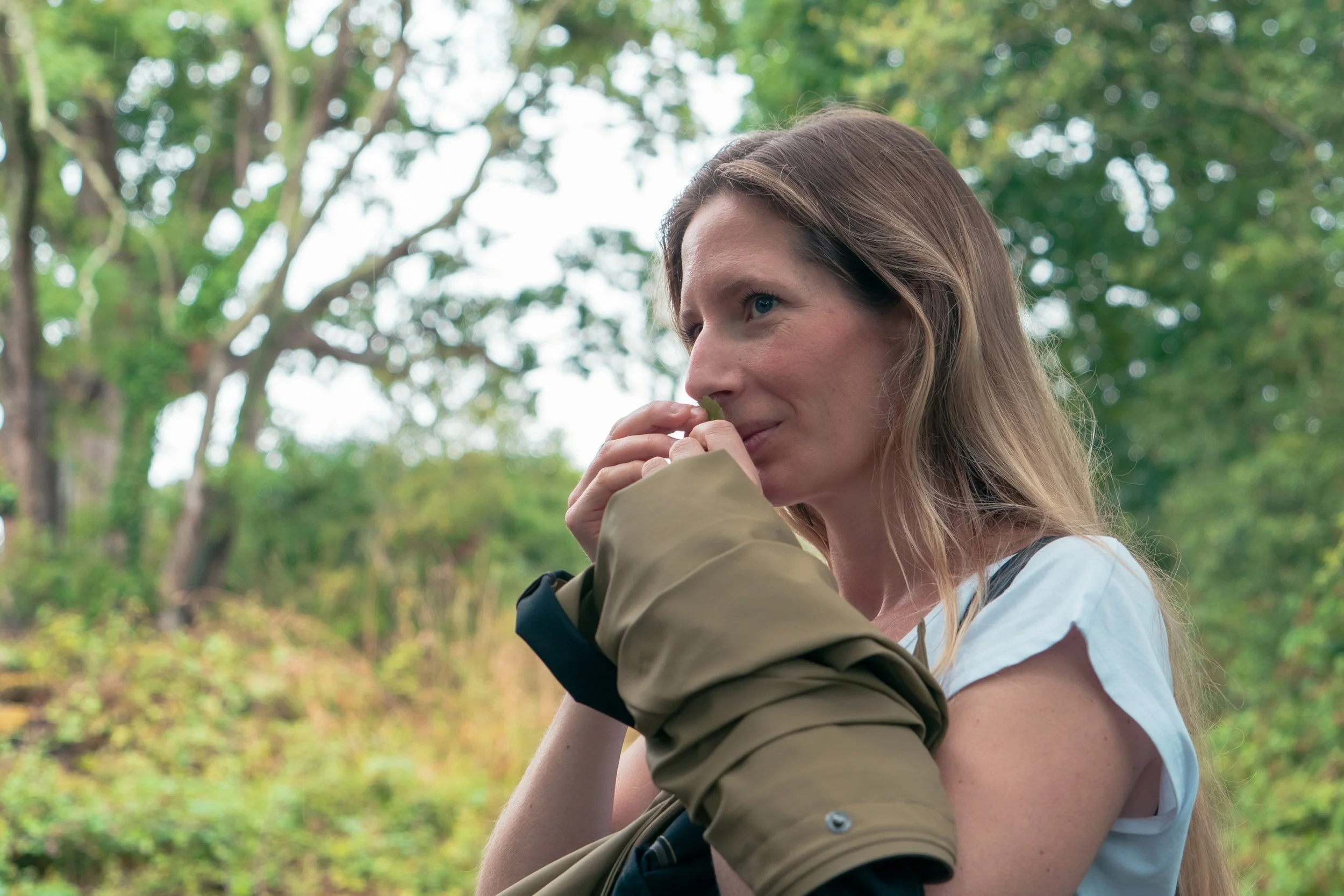
SMELLS LIKE MINT
Want to learn more? Join the Forager’s Club today
Experience a subscription like no other with support from professionals, tailored foraging lessons, meet ups and more.
Get wild in nature with like-minded foragers. Join the club and experience foraging like never before.
Foraging Misconceptions
-
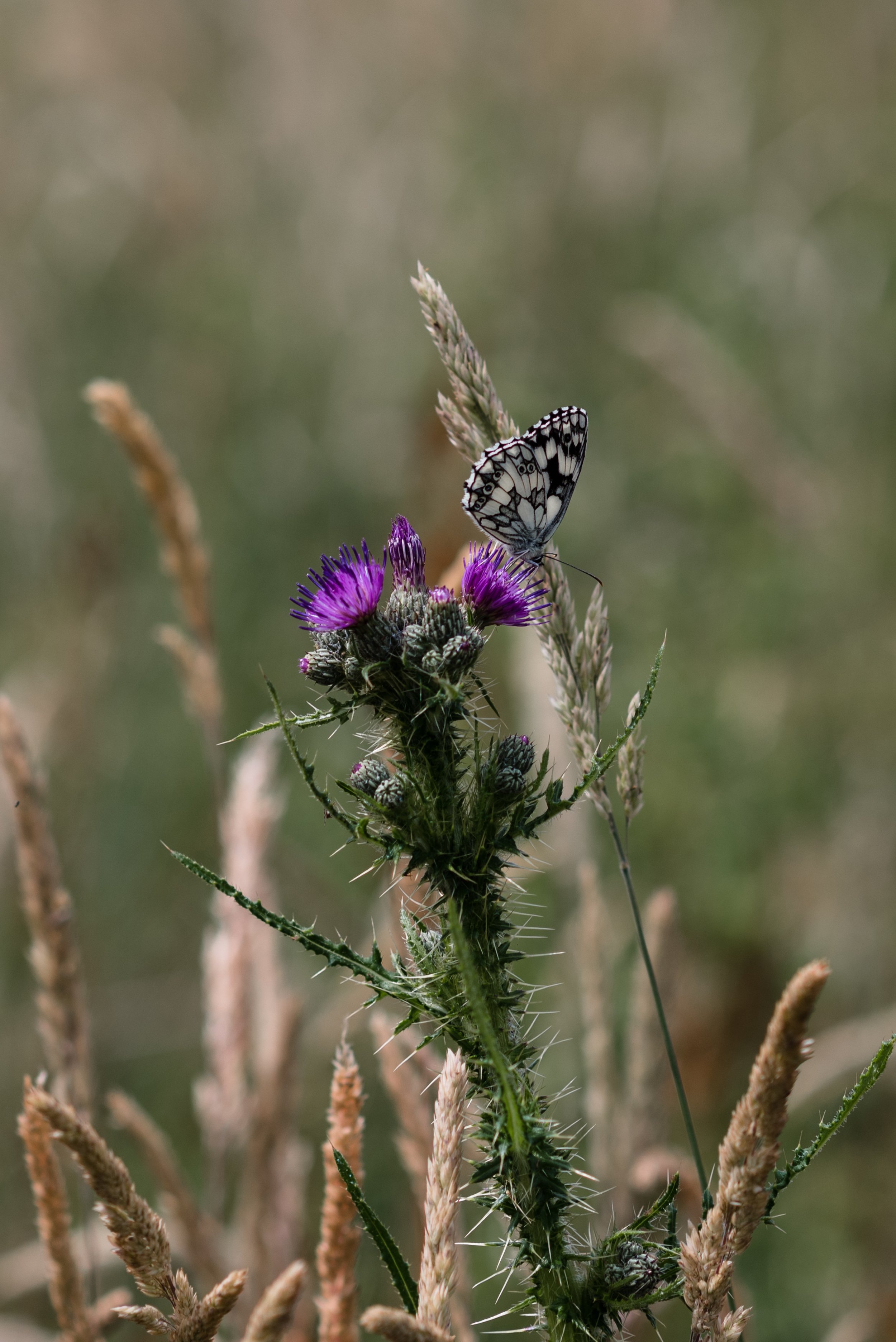
"Foraging is bad for the environment"
Not when done responsibly, following the rules. Foraging can actually help environments by spreading mushroom spores, seeds and controlling invasive species.
-
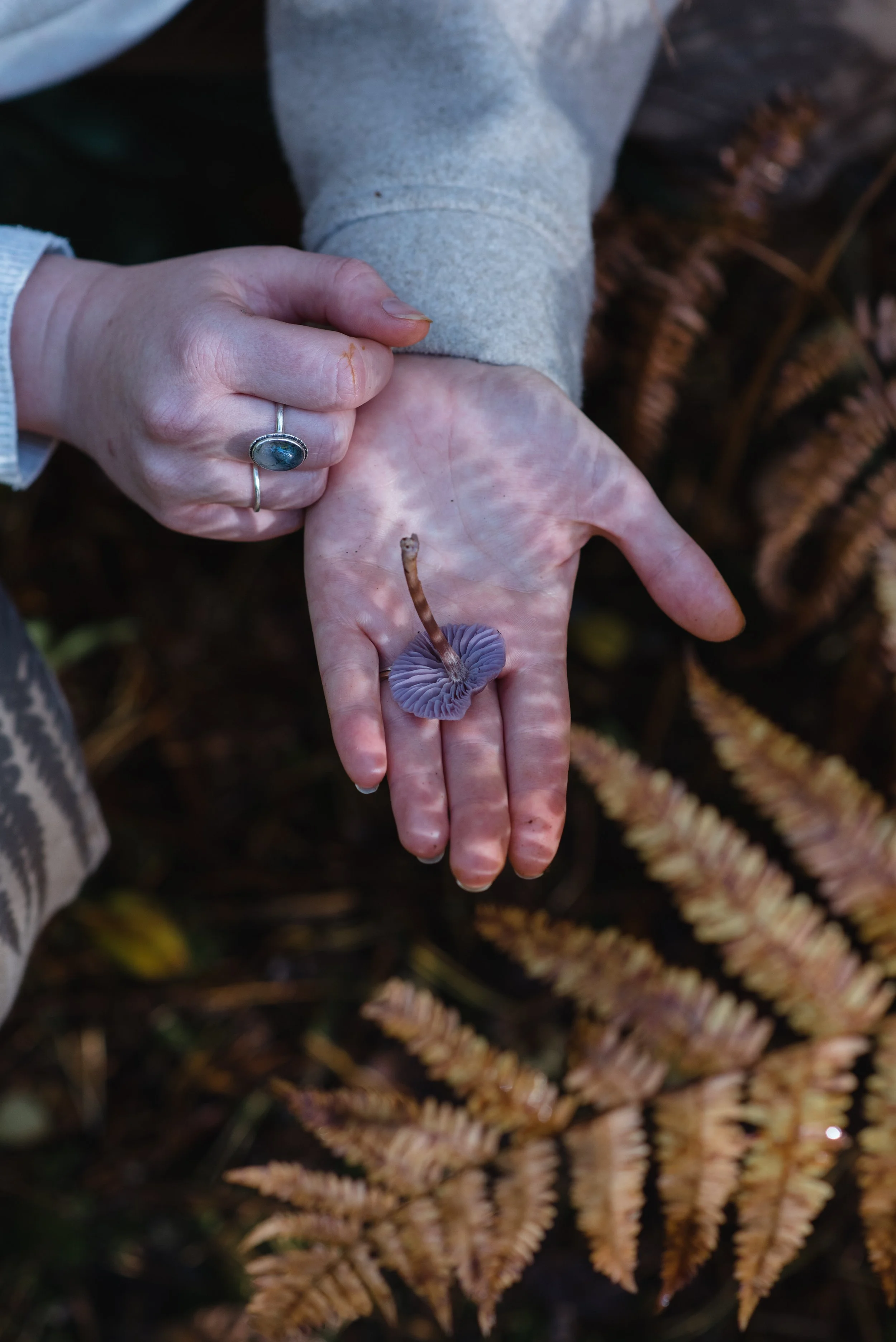
"Foraging is dangerous"
Only if you are irresponsible and don't take precautions: always be prepared, and have 4 points of ID for every plant or fungus you intend to consume.
-
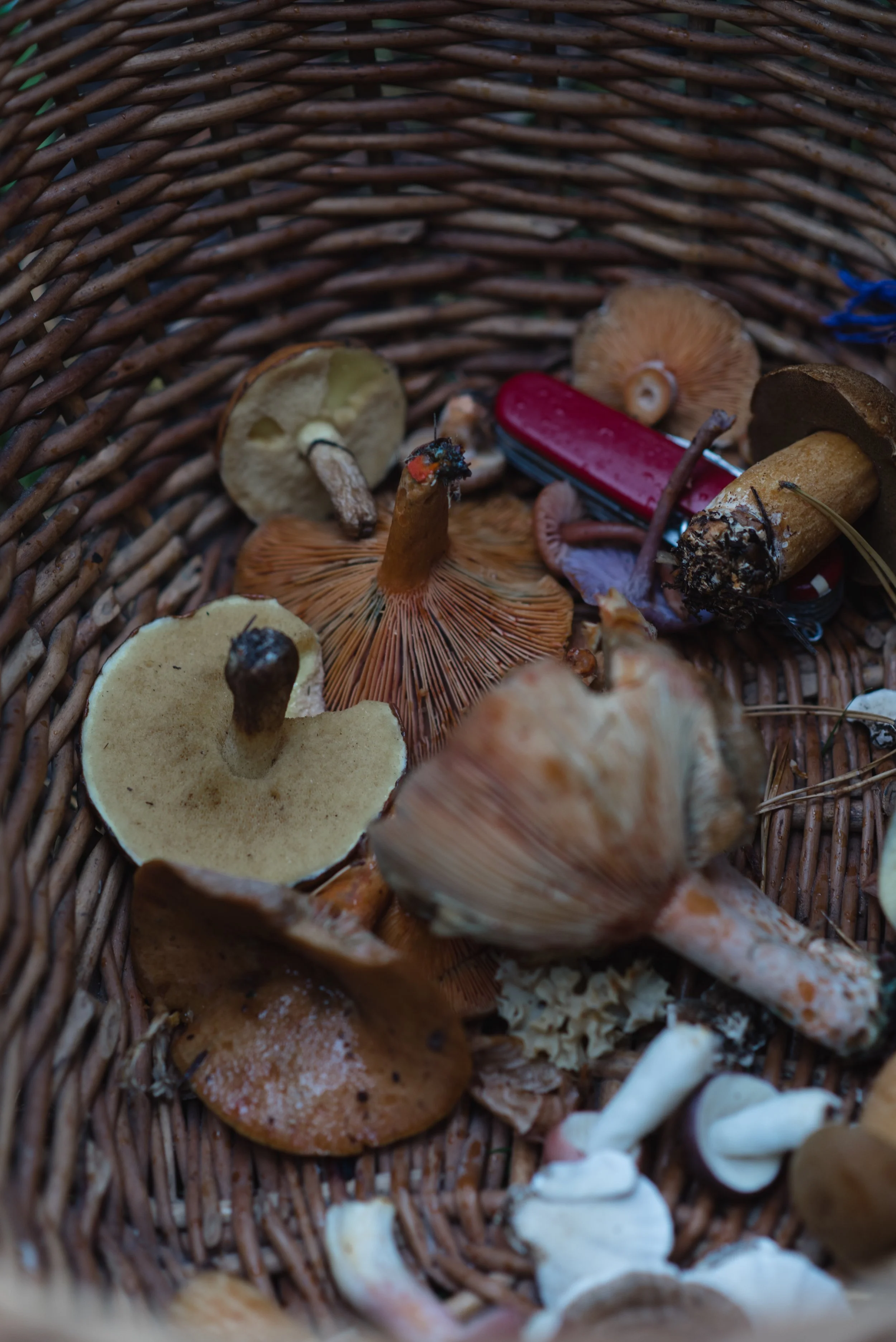
"It's better to buy from the shops"
There are fewer food miles, no pesticides and more health benefits related to eating foraged food.
-

"I listen to old wives tales"
Never listen to anyone who says they have a trick for identifying wild species. Unfortunately, you have to learn every individual plant and fungi's ID points if yo want to eat it.
-

"If an animal is eating it, it's safe"
Not true at all! Birds, deer, foxes, slugs, etc., all have different digestive systems and stomachs from humans, so what may be edible to them isn't to us!