

Spring Foraging.
A selection and reminder of some of the common plants and fungi you might have encountered in your spring foraging course. Please be aware this is not a full foraging guide, merely a reminder of what you learned on your course.

YARROW
ID FEATURES:
Feather-like leaves
Leaves point upwards from the ground
White umbrella-like flowers
FLAVOUR & USES
Slightly peppery, like rocket
Use as a topical poultice for wounds
Ingest as a reliever for migraines and period cramping
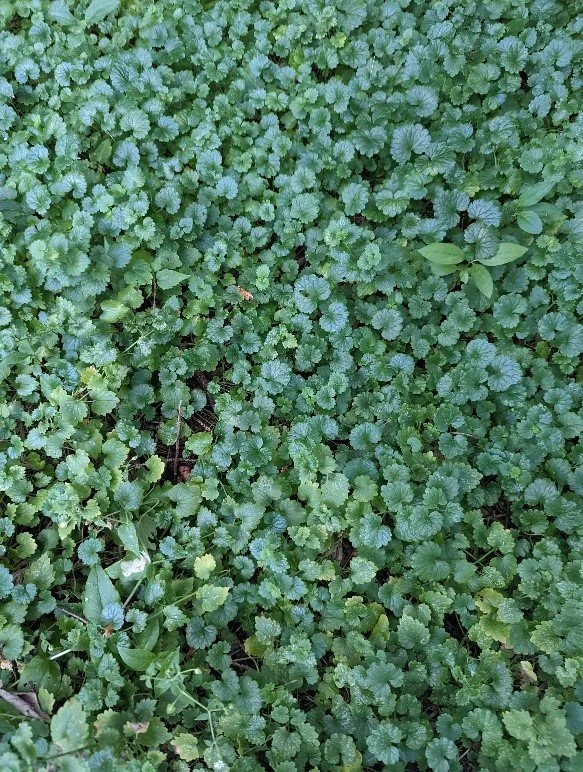
CREEPING CHARLIE
ID FEATURES:
Serrated edges ‘scolloped’
Heart-shaped
Hairy texture
FLAVOUR & USES
Tastes like a mix of rosemary, mint, sage and thyme
Add to soups and stews, dumplings and stuffings, anything you would add sage to
Brew into a tea
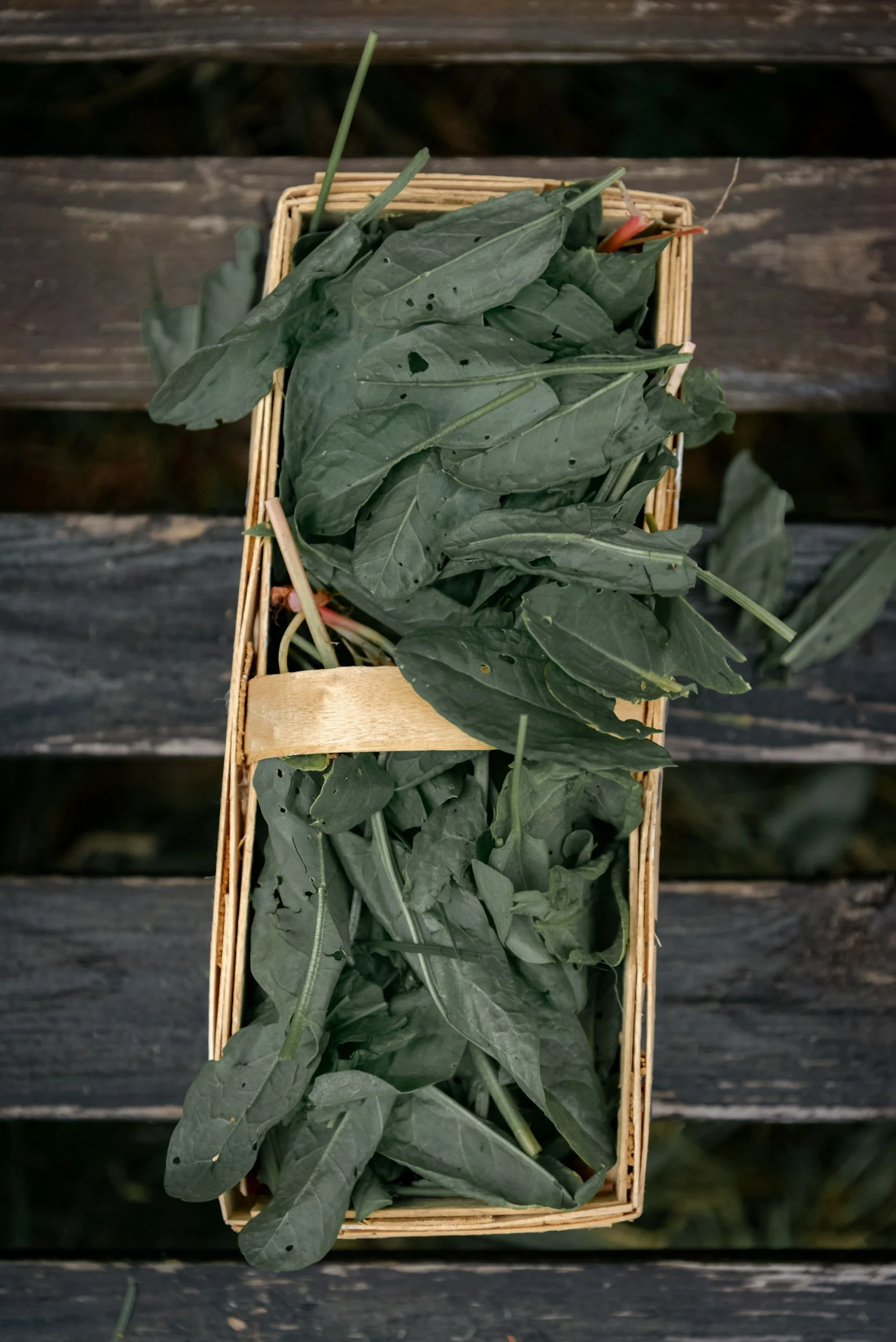
SORREL
ID FEATURES:
Arrowhead-shaped leaves
Two little tails
Waxy texture
One solid colour
FLAVOUR & USES
Tastes like sweet lemon and sour apples
Eat raw on salads or sandwiches
Make into sorrel soup
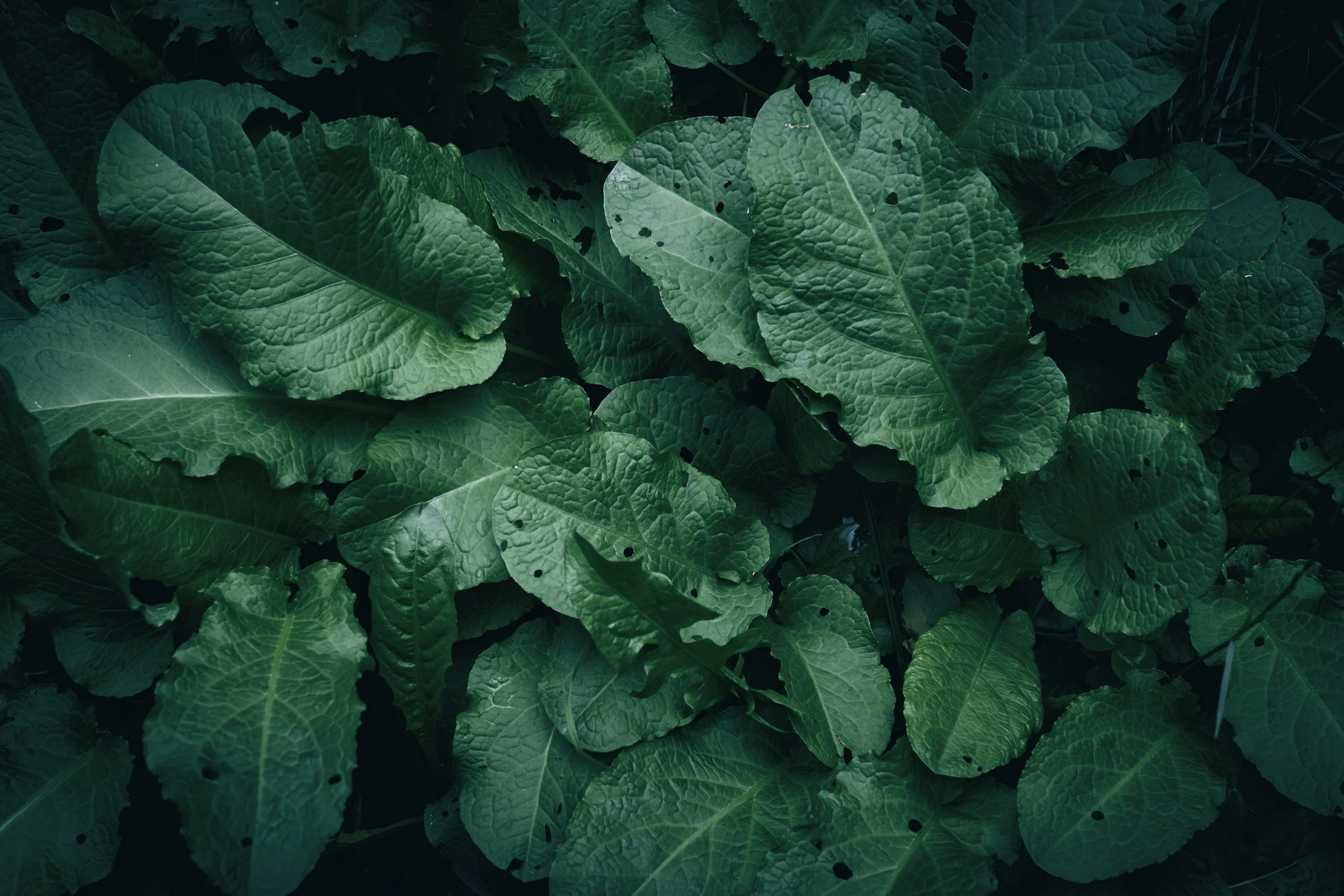
Dock
ID FEATURES:
Large oval leaves
Seeds grow on tall stalks with a brown husk
Curled, unfurled leaves have a papery coating
FLAVOUR & USES
Leaves taste like spinach, seeds taste like a nutty grain
Mill the seeds into a flour alternative
Use the leaves as stuffed vine leaves
Apply the gel of the papery coating to nettle stings and bug bites
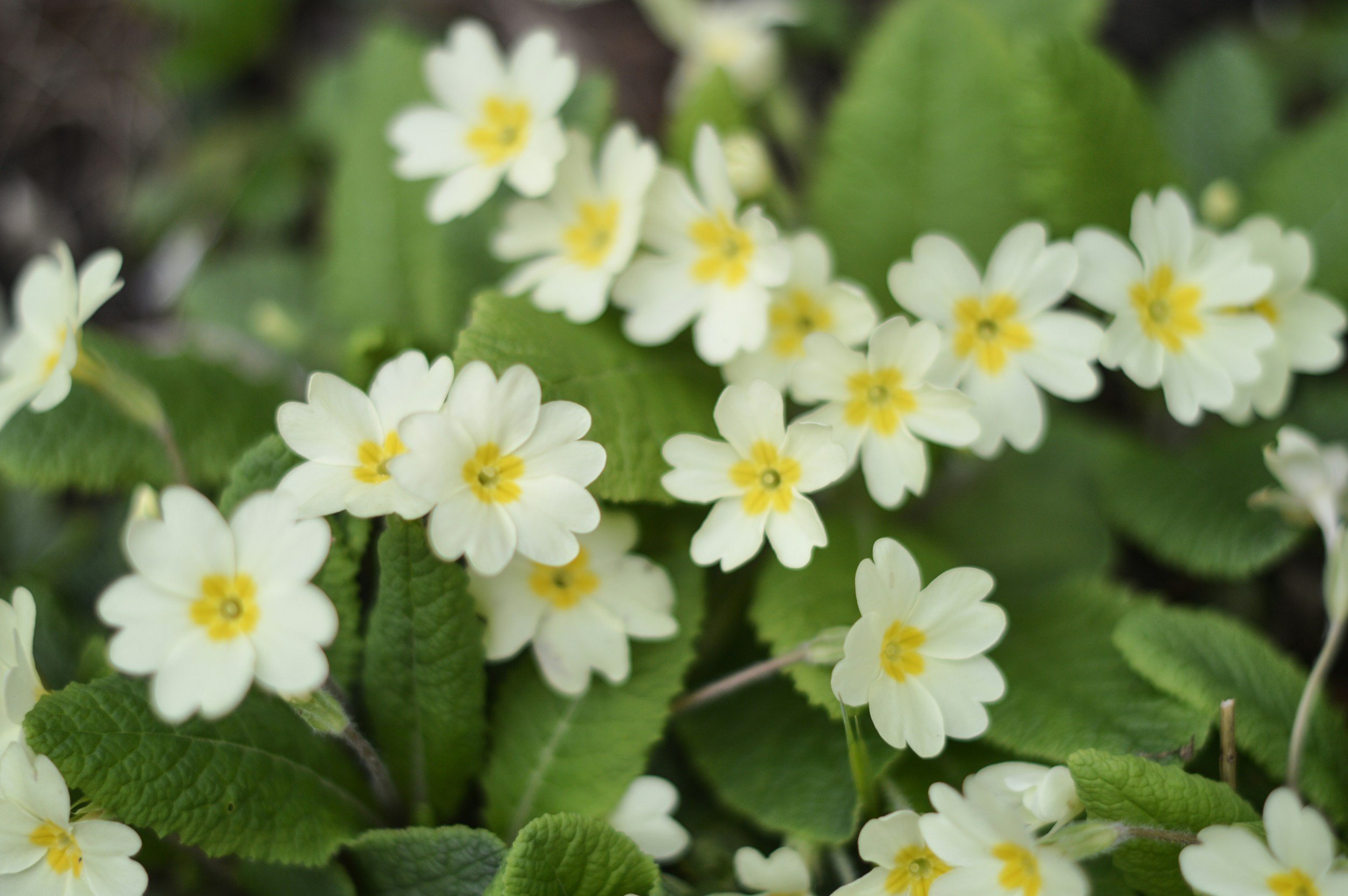
PRIMROSE
ID FEATURES:
Pale yellow colour
Deeper yellow in the centre
5 heart-shaped petals make up one flower
FLAVOUR & USES
Tastes like buttercream
Eat raw on salads or cakes
Sugar them with egg-white or aquafaba and dip in caster sugar for a traditional sweet treat
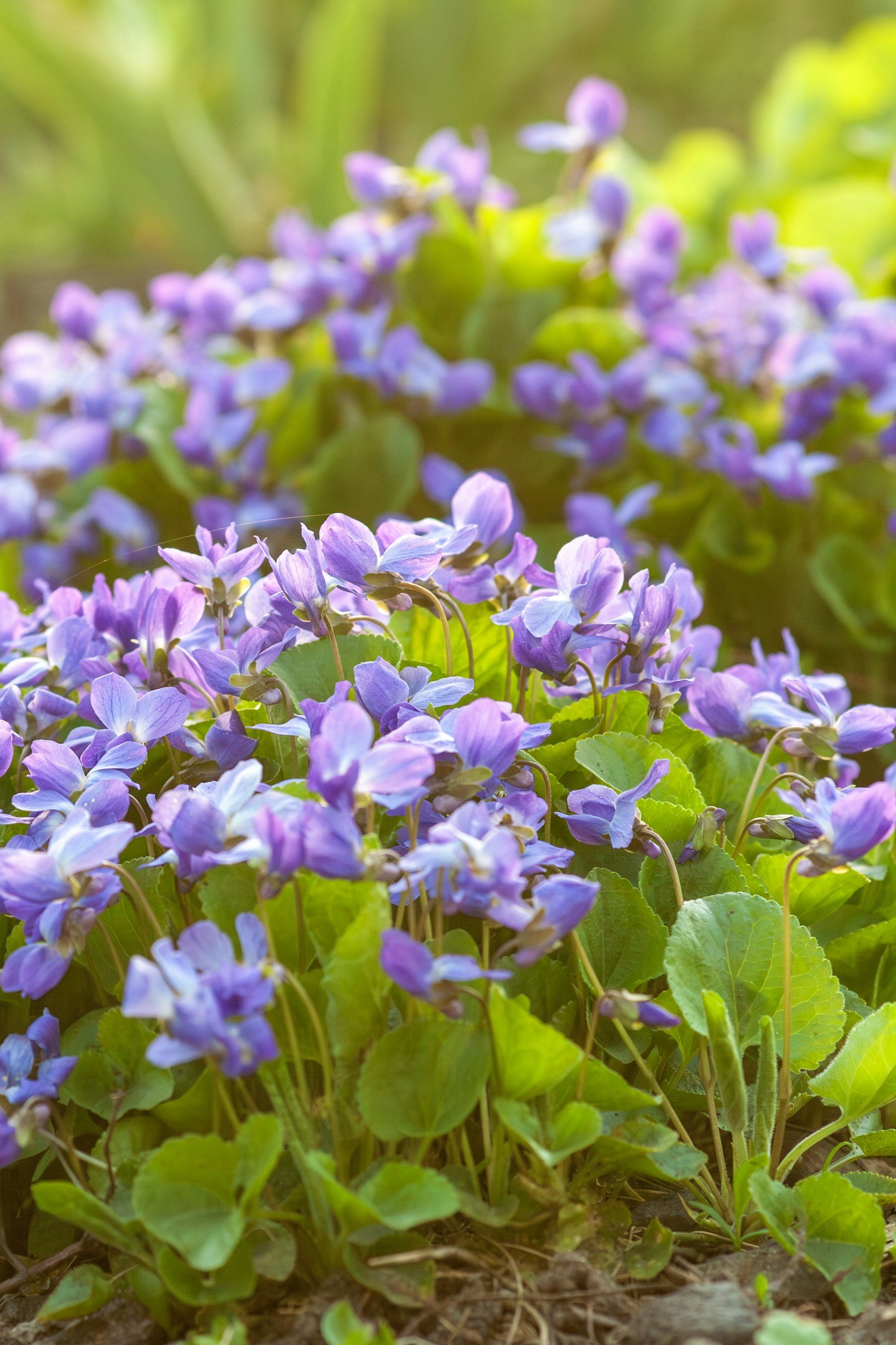
VIOLETS
ID FEATURES:
Serrated spade-like leaves
Purple flowers, three petals above, two below
Smells like parma-violets
FLAVOUR & USES
Tastes like parma violets
Eat raw on salads or cakes
Brew into a tea
Sugar them with egg-white or aquafaba and dip in caster sugar for a traditional sweet treat

ELDERFLOWER
ID FEATURES:
Creamy white flowers growing on a tree
Leaves smell like cat wee when rubbed
FLAVOUR & USES
Tastes like elderflower!
Eat raw on salads or cake
Elderflower Champagne
Country wine
Cordial
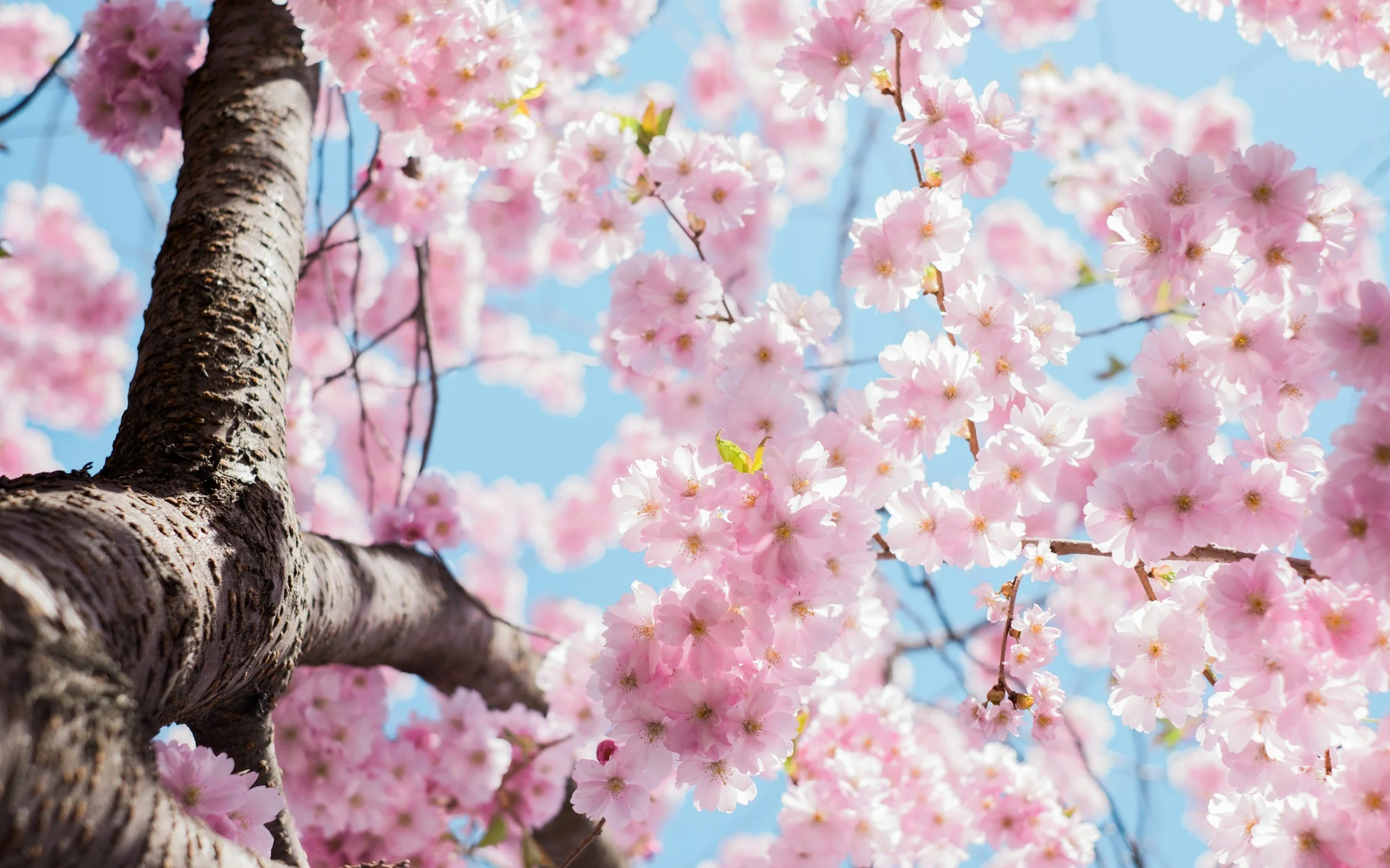
CHERRY BLOSSOM
ID FEATURES:
Pink fluffy flowers growing on trees
Cherry blossom smell
Growing on cherry trees
FLAVOUR & USES
Tastes like floral cherries
Eat raw on salads or cakes
Make into cherry blossom wine
Tea
Bath soak
Cherry blossom jam
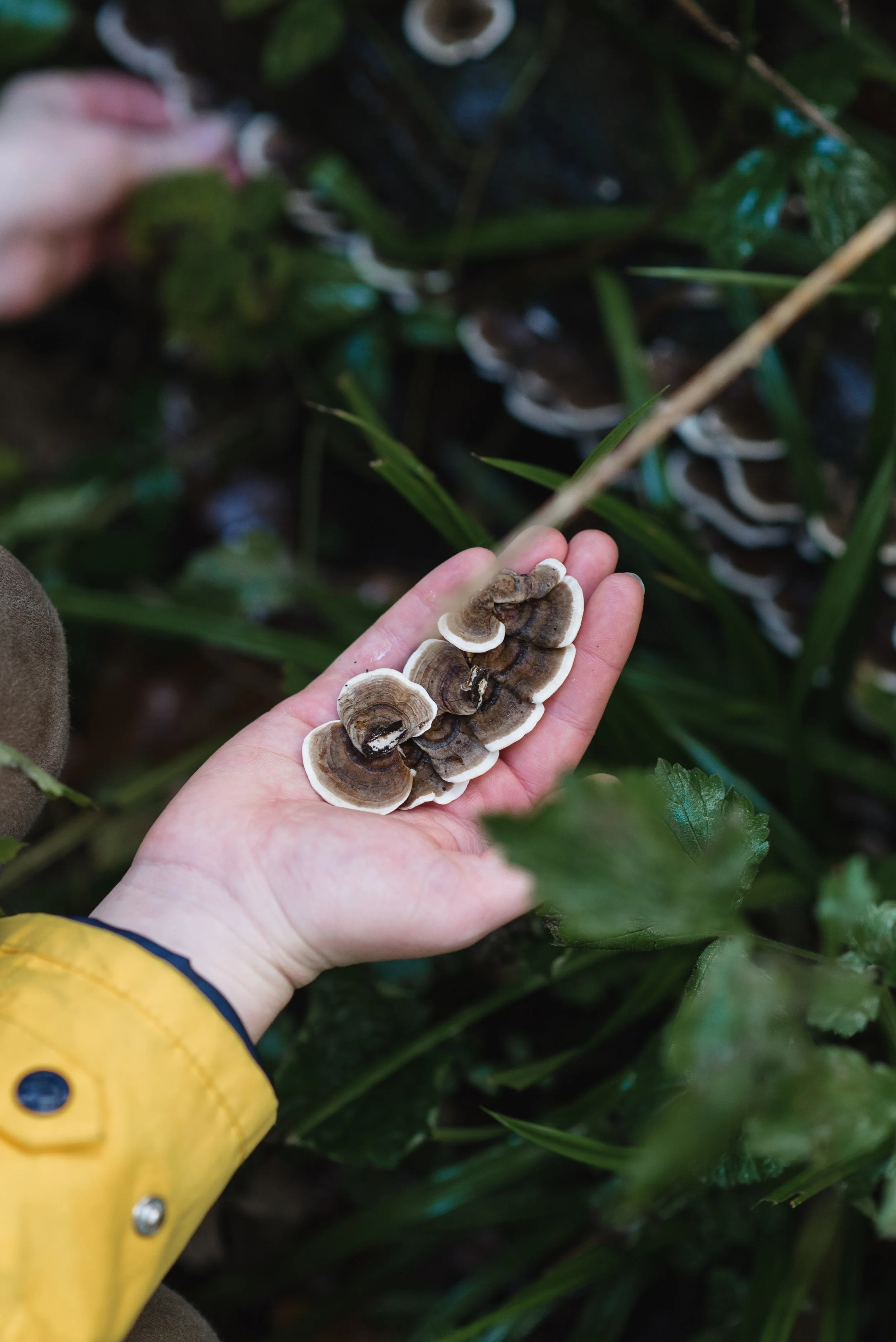
TURKEY TAIL
ID FEATURES:
Three distinct banding of colours
Always ending in a white edge
Underside pores are pure white
FLAVOUR & USES
Unpleasant flavour, leathery texture
Immunomodulatory
Adjuvant therapy for Chemo
Make into a tincture
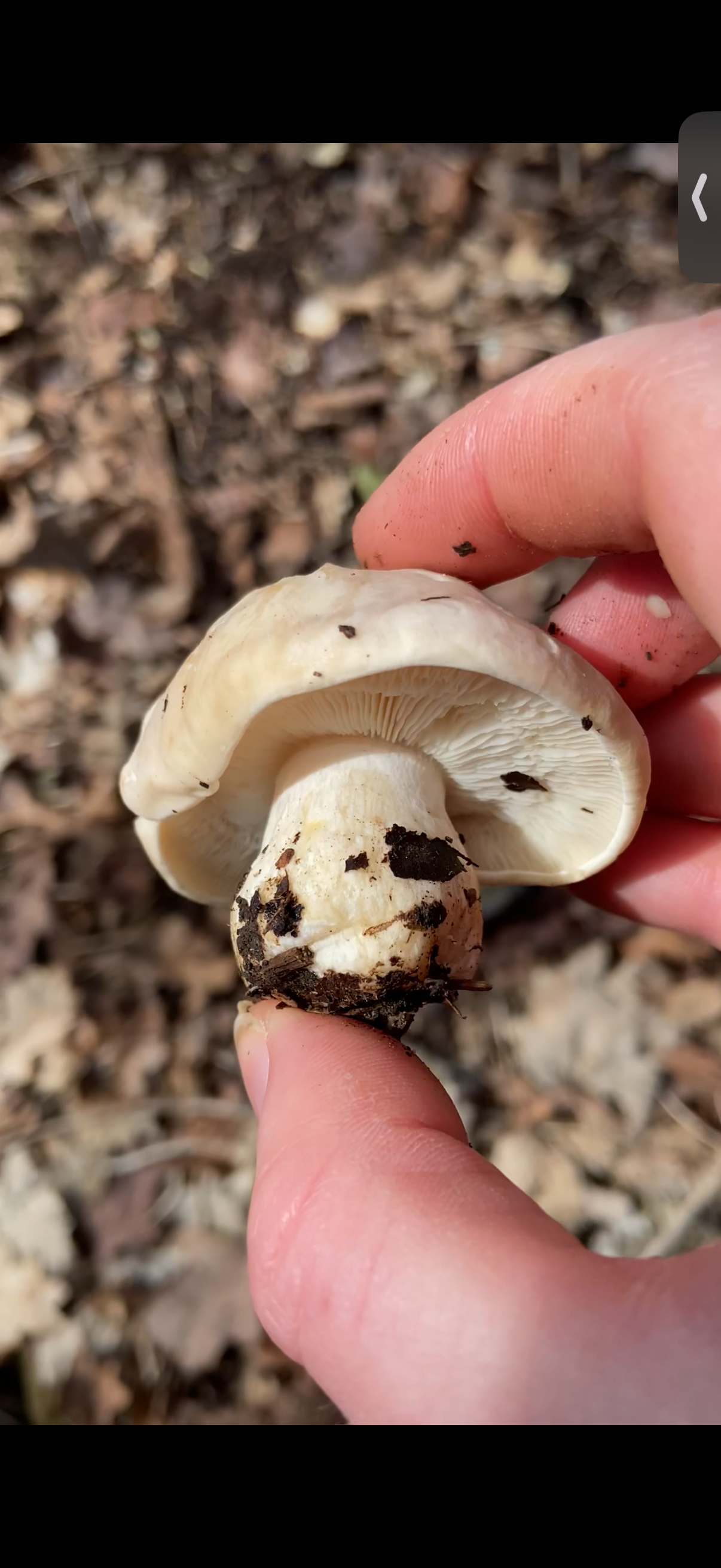
ST GEORGE’S MUSHROOM
ID FEATURES:
Pure white all over (cap, stipe, gills, cross section)
Close together gills, with a wave like motion below
Margin rolls inwards
Smells like damp sawdust
FLAVOUR & USES
Nutty and delicious!
Cook well
Use like a ‘regular’ shop bought mushroom
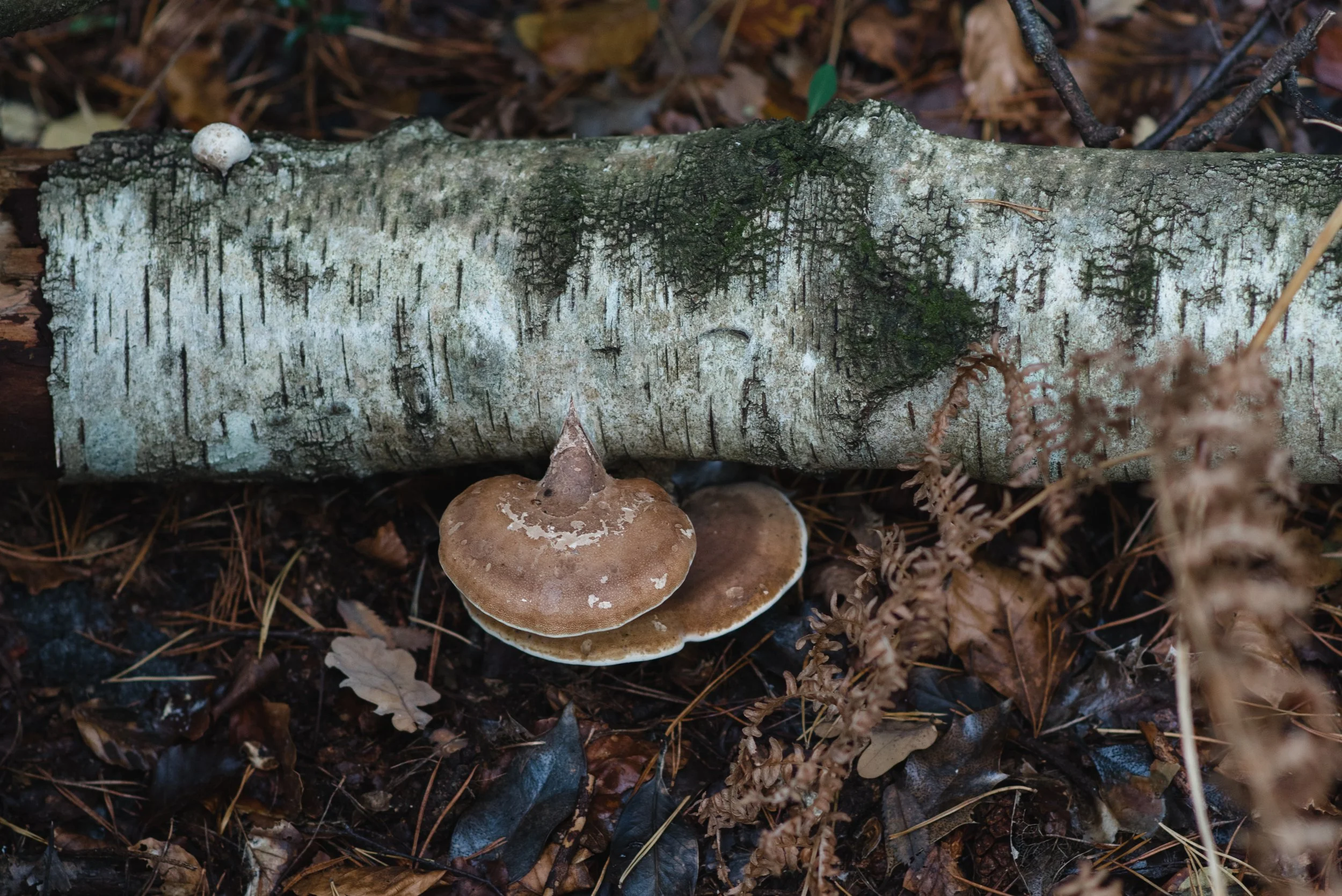
BIRCH POLYPORE
ID FEATURES:
Light brown cap
Pure white pores underneath
White flesh
Solid spongy texture
FLAVOUR & USES
Tastes gross!!
Make into a tincture for immune-boosting properties
Use the cap skin to heal wounds
Dry out and sharpen knives with the flesh
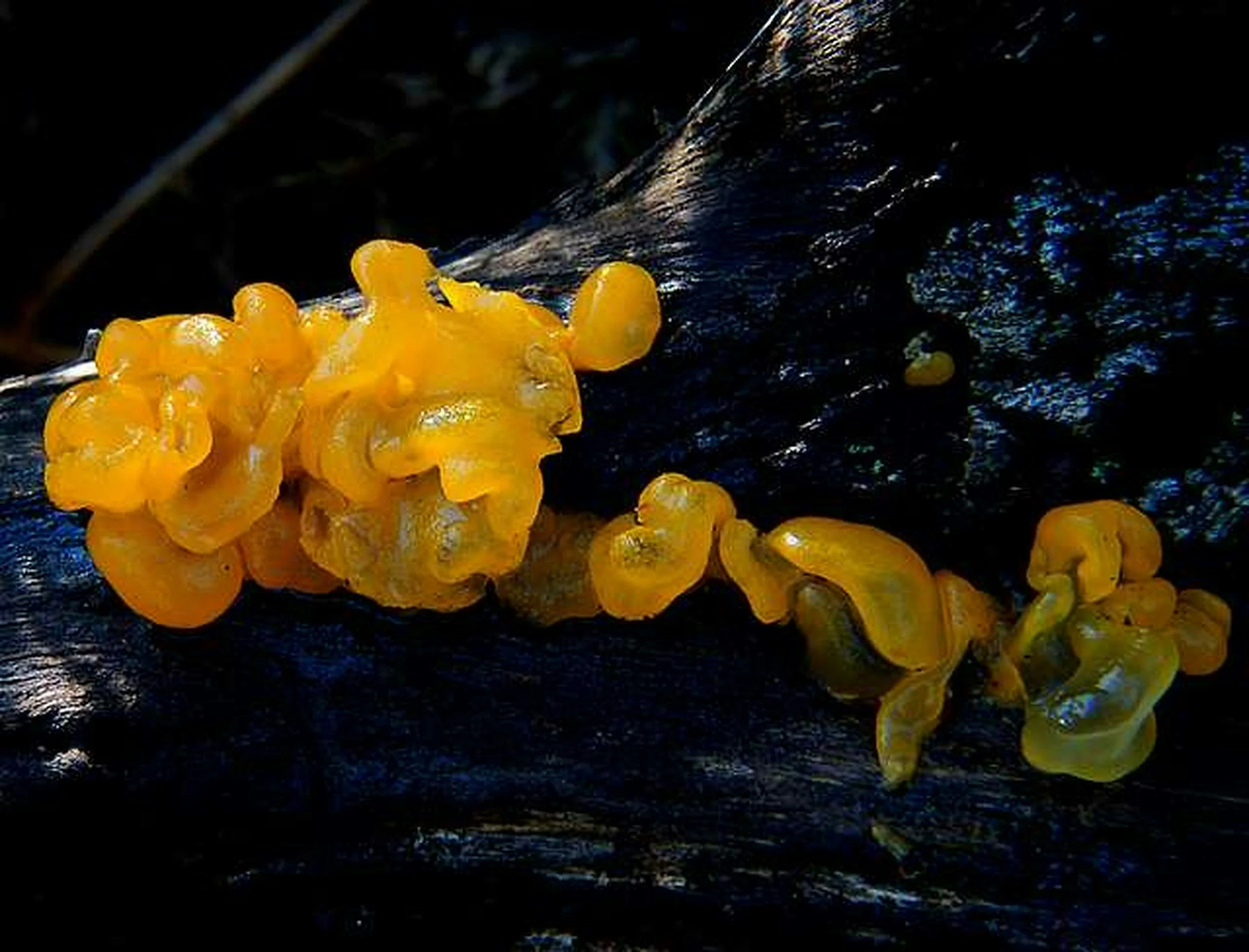
WITCHES BUTTER
ID FEATURES:
Bright yellow
Jelly texture
Grows on twigs
FLAVOUR & USES
Tastes like whatever it was rehydrated in
Make into wild jelly sweets
Soups, stews, broths and dumplings
WANT TO LEARN MORE?
Join the Forager’s Club today.

Get wild in nature with like-minded foragers. Join the club and experience foraging like never before.